Drills de wingfoil para mejorar tu equilibrio y control
Por el equipo de Escuela de Wingfoil · Octubre 2026
Navegar mucho no alcanza para mejorar: hay que navegar con un objetivo. Los drills son ejercicios cortos y repetibles que aíslan una habilidad —el equilibrio, el control de altura, el manejo del ala— y la entrenan hasta que sale sola. Acá van los mejores, ordenados por nivel.
Cómo usarlos
- Elegí uno o dos drills por sesión, no diez.
- Dedicales los primeros 20 minutos, cuando estás fresco.
- El resto de la sesión, navegá libre y fijate si lo practicado aparece solo.
Nivel 1: con la tabla apoyada (taxi)
El ocho
Navegá dibujando un ocho entre dos puntos fijos (dos boyas, dos cañas, dos sombrillas en la costa). Obliga a girar hacia los dos lados y a volver siempre al mismo lugar.
Parar y arrancar
Navegá, llevá el ala a neutro, frená, y volvé a arrancar sin caerte. Diez veces seguidas. Es la base para salir del agua con seguridad y para los giros.
Cambio de pies en taxi
Mientras navegás con la tabla apoyada, cambiá la posición de los pies a la postura de navegar (pie adelante sobre el mástil) y volvé. Prepara el cuerpo para el despegue.
Nivel 2: primeros vuelos
Despegue y aterrizaje
Despegá, volá cinco segundos y bajá a propósito cargando el pie de adelante. Repetí. El objetivo no es volar lejos: es controlar cuándo subís y cuándo bajás.
Altura fija
Elegí una altura (por ejemplo, que la tabla quede a un palmo del agua) y mantenela durante todo un tramo. Te obliga a hacer correcciones chicas con los pies.
Mirada lejos
Fijá un punto en la costa y no lo sueltes en todo el tramo. Si la tabla se te va, es probable que estés mirando abajo.
Nivel 3: control fino
Una mano en el ala
Volando, soltá la mano de atrás por unos segundos y sostené el ala solo con la de adelante. Te enseña a volar con el ala liviana, que es lo que necesitás en las trasluchadas.
Carving en S
Sin cambiar de rumbo general, hacé curvas suaves a un lado y al otro inclinando la tabla. Trabaja el equilibrio sobre los cantos y prepara los giros.
Series de pumping
En un tramo con viento justo, despegá con pumping, volá, aterrizá y repetí. Mejora el arranque con poco viento y la coordinación entre piernas y ala.
Ceñida con boyas
Marcá un punto a barlovento y tratá de llegar en la menor cantidad de bordes posible. Es el drill que más autonomía te da.
En tierra, para los días sin viento
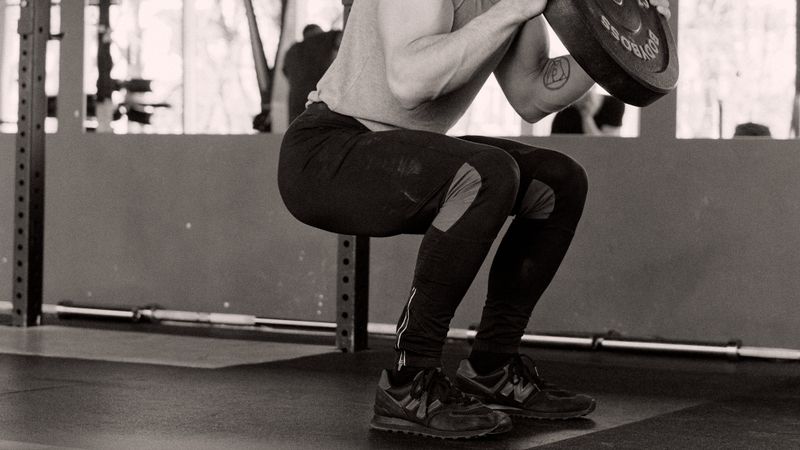
- Balance board con sentadillas suaves y cambios de peso adelante y atrás, como el control de altura.
- Cambio de mano del ala caminando por la playa, el gesto base de las trasluchadas.
- Más ejercicios en cómo entrenar sin viento.
Cómo saber si un drill ya está
Cuando podés hacerlo cinco veces seguidas sin pensar, pasá al siguiente. Y si uno se traba, volvé un nivel atrás: casi siempre el problema está en la base. Para ver el camino completo, mirá la progresión en 6 meses.
Un instructor puede elegir los drills justos para tu error más frecuente. Repasá también los 10 errores más comunes.
Riding a lot isn't enough to improve: you need to ride with a goal. Drills are short, repeatable exercises that isolate one skill — balance, ride-height control, wing handling — and train it until it's automatic. Here are the best ones, organised by level.
How to use them
- Pick one or two drills per session, not ten.
- Give them the first 20 minutes, while you're fresh.
- For the rest of the session, ride freely and see whether what you practised shows up on its own.
Level 1: board on the water (taxiing)
The figure of eight
Ride a figure of eight between two fixed points (two buoys, two poles, two umbrellas on the shore). It forces you to turn both ways and always come back to the same place.
Stop and start
Ride, take the wing to neutral, stop, and start again without falling. Ten times in a row. It's the basis for getting out of the water safely and for turning.
Foot switch while taxiing
While riding with the board on the water, move your feet into riding stance (front foot over the mast) and back. It prepares your body for take-off.
Level 2: first flights
Take off and touch down
Take off, fly for five seconds and come down deliberately by weighting your front foot. Repeat. The goal isn't flying far: it's controlling when you go up and when you come down.
Fixed height
Choose a height (for example, the board a hand's width above the water) and hold it for a whole run. It forces small corrections with your feet.
Eyes far ahead
Pick a point on the shore and don't let it go for the whole run. If the board gets away from you, you're probably looking down.
Level 3: fine control
One hand on the wing
While flying, let go with your back hand for a few seconds and hold the wing with the front one only. It teaches you to fly with a light wing, which is what you need in gybes.
S-carving
Without changing your overall heading, make gentle curves one way and the other by tilting the board. It trains rail balance and prepares you for turns.
Pumping sets
On a run with marginal wind, take off by pumping, fly, touch down and repeat. It improves light-wind starts and coordination between legs and wing.
Upwind to a mark
Pick a point upwind and try to reach it in as few tacks as possible. It's the drill that gives you the most independence.
On land, for windless days
- Balance board with gentle squats and forward-back weight shifts, like ride-height control.
- Switching wing hands while walking on the beach, the basic gybe move.
- More exercises in how to train without wind.
How to know a drill is done
When you can do it five times in a row without thinking, move to the next. And if one gets stuck, go back a level: the problem is almost always in the basics. For the full path, see the 6-month progression.
An instructor can pick the right drills for your most frequent mistake. Also go over the 10 most common mistakes.